









How to properly apply a wood stain
An exterior wood stain will adhere properly if the wood is prepared, the weather is suitable, and the coats are applied in the direction of the grain, without excess thickness or dry joints. The values in the product data sheet remain the reference.
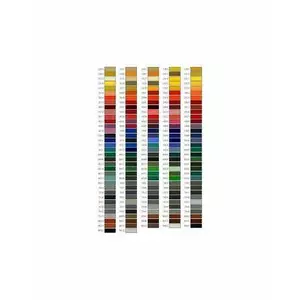
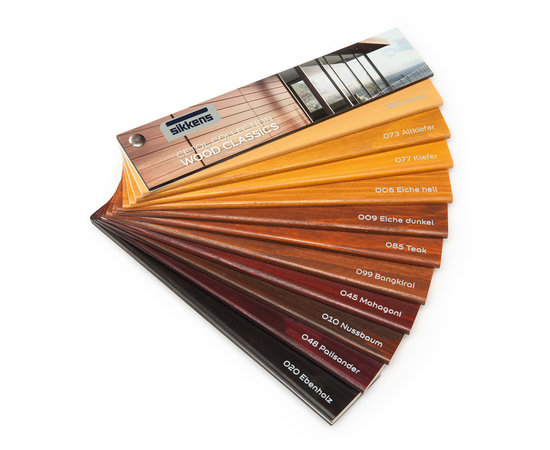
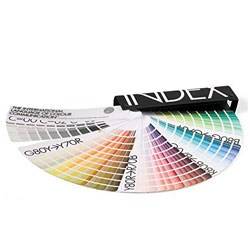
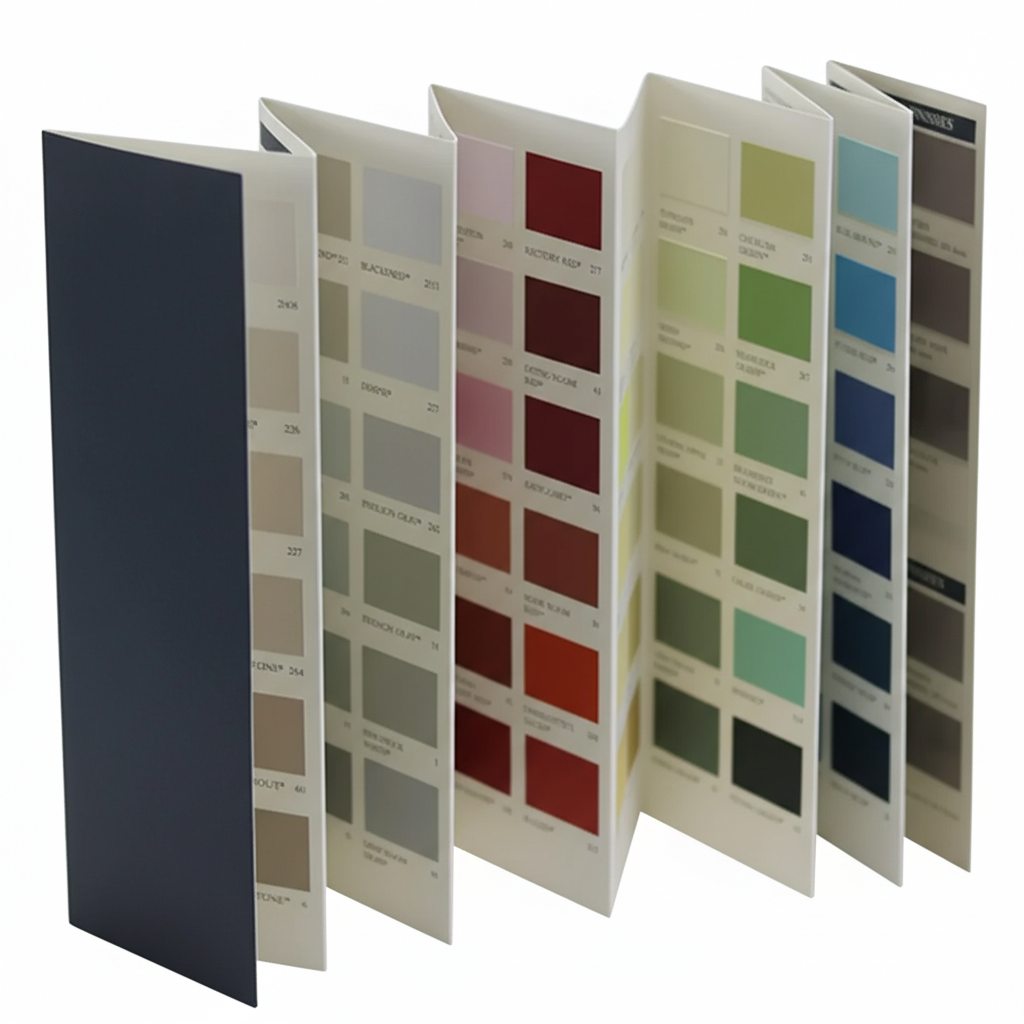
Cetol tints: Sikkens Cetol Design stain color chart . Always test on a piece of the same wood, with the same number of coats.
Before applying
- Sound, clean, dry wood, sanded along the grain. Maximum wood moisture content 18% .
- Brush off the grey fibers, remove dust, treat knots and cracks. Saturate the ends, screw heads and crevices.
- On raw wood, follow the system outlined in the instructions (often a primer/impregnation coat, then the finishing coats). Don't skip the primer "to save time".
- Air and substrate between approximately +10°C and +30°C (see datasheet). Substrate at least 3°C above the dew point.
More detailed preparation: Preparing the wood before painting .
To do
- Stir the pot well (not just shake) before and during work.
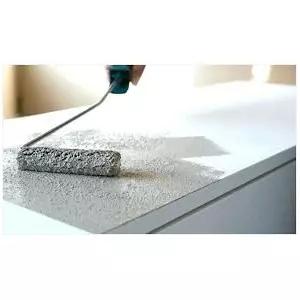
- Apply in the direction of the grain, in even layers, without leaving a dry edge — proceed “wet edge to wet edge”.
- Follow the coverage and number of coats indicated on the product sheet. A coat that is too thick dries poorly and ages faster than a coat that is the right thickness.
- Allow the specified drying time between coats. Lightly sand if the instructions require it.
Avoid
- Full sun, surface warm to the touch, rain, dew or frost expected in the following hours.
- Wood still damp after a downpour or washing.
- Mixing products from different systems (thin stain + film-forming stain, or unspecified brands/hardeners) without advice.
- Applying an interior stain to a facade, or vice versa, is prohibited unless the instructions clearly allow it.
Choose the shade
The final result depends on the type of wood (spruce, larch, oak, etc.), the previous stain, and the number of coats. Darker shades heat up more in the sun (up to ~80°C): there is a greater risk of resin runs and tension on the film.
Cetol color chart (classic + T codes): Color chart for Sikkens Cetol Design stains .
Interview
A damp cotton cloth held for 2–3 minutes: if the wood darkens, it's time to refinish. Timely refinishing avoids the need for stripping. Typical interval outdoors: 2 to 6 years depending on exposure, the product used, and building protections (roof overhangs, etc.).
To understand fine stain, film-forming glaze and opaque paint: Difference between opaque products and glazes .
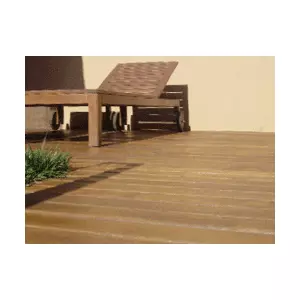
Terrace: Painting a wooden terrace .
Vocabulary for the fact sheets: Technical terms in painting .